 Albanien
 Amerikas Forenede Stater
 Argentina
 Australien
 Belgien
 Bosnien-Hercegovina
 Brasilien
 Bulgarien
 Canada
 Chile
Chile
 Colombia
 Danmark
 Estland
 Filippinerne
 Finland
 Frankrig
 Grækenland
 Irland
 Italien
 Kroatien
 Letland
 Litauen
 Luxembourg
 Mexico
 Moldova
 Montenegro
 Nederlandene
 New Zealand
 Nordmakedonien
 Norge
Norge
 Polen
Polen
 Portugal
 Rumænien
 Schweiz
 Serbien
 Slovakiet
 Slovenien
 Spanien
 Storbritannien
 Sverige
 Sydafrika
 Tjekkiske Republik
 Tyrkiet
 Tyskland
 Ukraine
 Ungarn
 Østrig



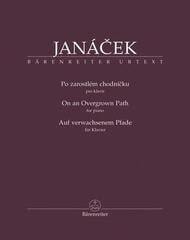
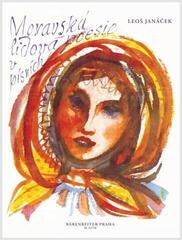
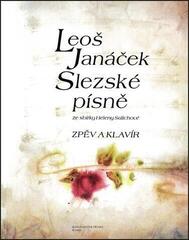
Leoš Janáček
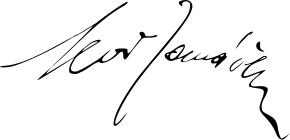
Leoš Janáček
Leoš Janáček (1854–1928) was a prominent Czech composer, music theorist, folklorist, publicist, and teacher. Drawing inspiration from Moravian, Slavic, and Eastern European folk music, he developed a distinctive modern style notable for its originality and use of speech rhythms. Born in Hukvaldy and educated in Brno, Prague, Leipzig, and Vienna, Janáček spent much of his life in Brno, where he combined musical composition with extensive folk research.
Early influences included Antonín Dvořák, but Janáček’s mature works broke new ground, especially after the death of his daughter. His breakthrough came with the opera Jenůfa, which earned international acclaim and opened doors to major opera houses. Later celebrated works such as Káťa Kabanová, The Cunning Little Vixen, the Sinfonietta, and Glagolitic Mass showcased his unique blend of folk traditions, personal expression, and literary inspiration.
Janáček’s legacy was championed globally after his death, particularly by conductor Charles Mackerras. Today, he stands alongside Dvořák and Smetana as one of the foremost Czech composers, renowned for his profound influence on modern music.